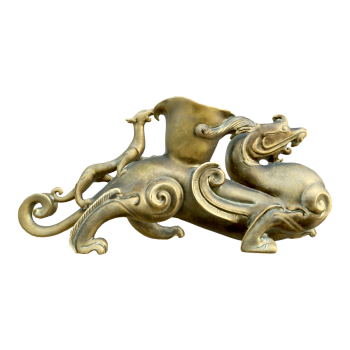
Gilt Bronze Kirin Sculpture
This is a gilt bronze sculpture of Kirin. The object is golden yellow and metallic, most likely made of brass or gilded bronze. It has the body structure and limbs of a horse, but its head is more like a dragon, with an open mouth, tusks and horns-like protrusions, which is a typical image of a Chinese mythical Swiss beast. In Chinese mythology, the unicorn is a mythical beast that represents auspicious and auspicious, and has the functions of protecting the house, warding off evil spirits and making money. It is usually depicted as a deer body, horseshoe, oxtail, one-horned or two-horned on the top of the head, and scales on the body.
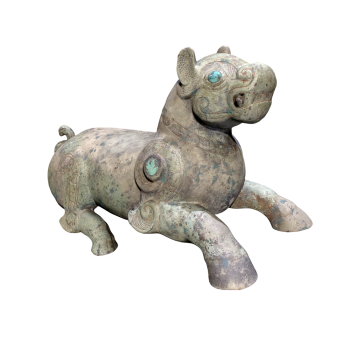
Ancient Chinese Bronze-Xizun
This is an ancient Chinese bronze animal shaped utensils, the specific name is usually Xizun, is a kind of bronze ritual vessel used for wine or sacrifice. This artifact combines a variety of animal features (such as tiger head, Buffalo hoof, etc.), belonging to the mythical Swiss beast. The surface of the body has exquisite decorative patterns, and inlaid with turquoise as eyes and decoration. During the Shang and Zhou dynasties in China, bronzes were used in important sacrificial rites as symbols of power and status. This animal-shaped ritual was very rare and precious at the time. Many similar animal-shaped bronzes, such as tiger statue and rhinoceros statue, have been found in ancient tombs and sites in Hubei, Shanxi and other places in China.

Chinese traditional mythical beast "Xuanwu" root carving
This is a sculpture of the traditional Chinese mythical beast "Xuanwu", a handicraft with the theme of "snake wrapped around turtle. In the picture, a turtle is entangled by a long snake with its head above the back of the turtle. This is a typical image of "Xuanwu", one of the four mythical beasts in ancient Chinese mythology. Xuanwu symbolizes the north, winter and longevity and stability.

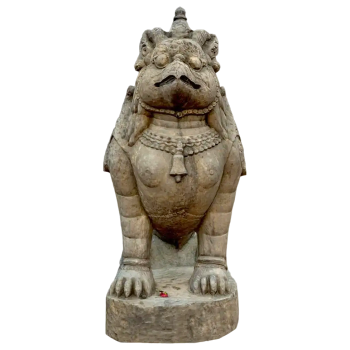
Stone Seahorse (granite)
This is a granite stone carving seahorse. In traditional Chinese architecture (especially ancient houses or gardens in southern Fujian and Lingnan regions), this stone carving is usually used as a decorative component of the building, a garden sketch or a kissing beast on the roof. Combines horse head, fish body (with fins) and curly tail. This kind of "seahorse" image is often regarded as an auspicious mythical beast capable of opening fire and water in traditional oriental culture, and often appears in ancient buildings near water systems or coastal areas. The lines are simple and powerful, especially the spiral treatment of the tail and the fins on the back, which show the exquisite round carving craftsmanship of the stonemason.
Bronze Pixiu

Triceratops

brave troops
Pixiu (p í xi ū) is a fierce and powerful divine beast in ancient Chinese mythology, with "Pixiu" being male and "Pixiu" being female. Pixiu, also known as Tianlu, Bixie, and Baijie, is related to the beliefs of ancient people. In Volume 10 of the Ming Dynasty's Zhou Qi's "Examination of Names", it is mentioned that Pixiu is called Bixie because it can dispel bad luck, and Tianlu because it can attract wealth. In the south, people often refer to it as Pixiu, while in the north it is often called Pixie. Pixiu has a body shape like a tiger or leopard, with a dragon like head and tail. Its color is also golden and jade, and it has a pair of wings on its shoulders that cannot be spread. It is known as one of the five great auspicious beasts along with the dragon, phoenix, turtle, and qilin.

Popular Models
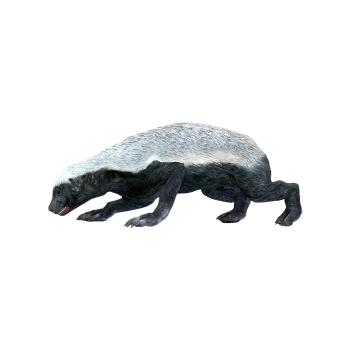
Honey Badger (3D animated model)
192 View
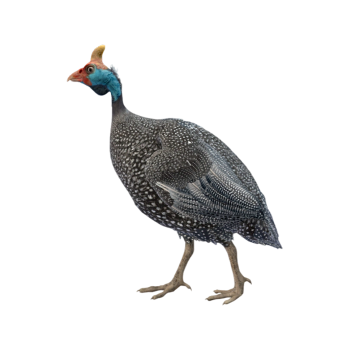
Guinea fowl (3D animated model)
163 View
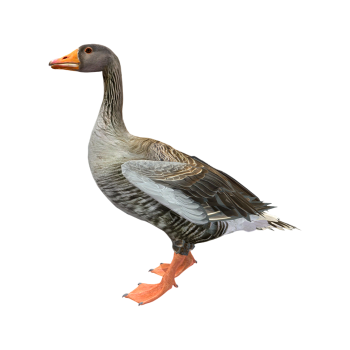
Wild Goose (3D animated model)
185 View
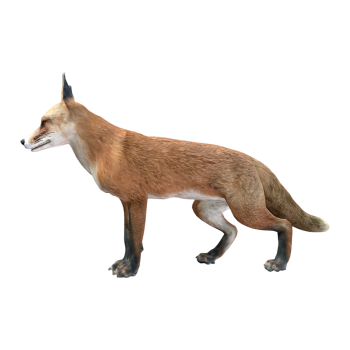
Red Fox (3D animated model)
153 View
Random Model

Nike cleat sneaker
575 View

British battleship HMS King George V
756 View


Domestic Aloe Green Plant
990 View
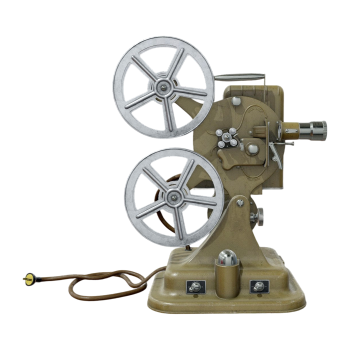
vintage movie projector
700 View

Snow Mountain Scene
1052 View

Spotfishes Specimen
741 View

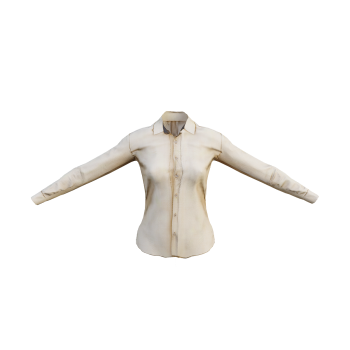
distressed long-sleeved shirt
826 View